Investors on alert: geopolitics tensions and key data set up a volatile week

Mar 1, 2026
Ahead of the new week, investors are doing a familiar exercise: turning geopolitical uncertainty and a busy US data calendar into a small set of market variables they can actually track.
For US equities, and the Nasdaq in particular, the main issue is not the headline itself. It is whether the headline pushes oil and Treasury yields higher at the same time. When that happens, the Nasdaq often carries more downside than the broader market because it is more sensitive to the discount rate.
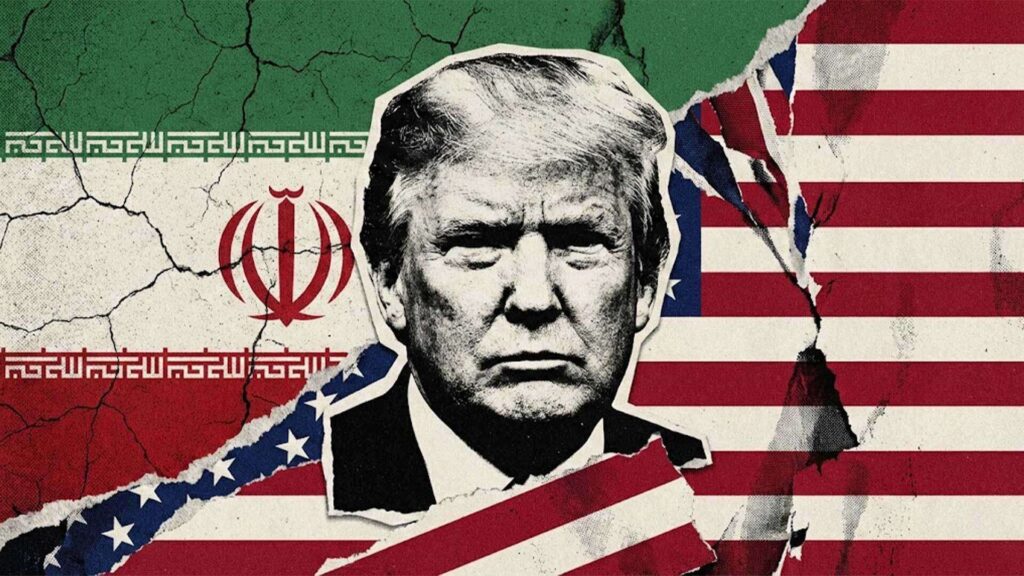
Over the weekend, the conflict between the United States, Israel, and Iran moved from rhetoric into direct action and spillover risks for shipping and energy flows.
Reuters reported further strikes on Tehran after a US and Israeli assault that killed Iran’s Supreme Leader Ayatollah Ali Khamenei, with a leadership council taking over. At the same time, the Gulf’s commercial routes came under strain: Reuters reported major Japanese shipping companies halting operations through the Strait of Hormuz, one of the world’s most important energy chokepoints.
The market relevance is immediate. If this turns into sustained disruption around Hormuz, it can lift oil prices, raise shipping and insurance costs, and push inflation expectations higher. That channel matters because it feeds directly into bond yields and equity valuations, especially for the Nasdaq.
Nasdaq can behave like a rates-sensitive index in periods of uncertainty. If investors start pricing a higher inflation path because energy risk rises, yields can move up, and valuations for long-duration growth tend to compress.
So the early market question is straightforward: is this a week where geopolitics stays in sentiment, or does it become an input into inflation and rates.
A clean one-way move is not the base case. The more common pattern is rotation:
A risk-off phase if oil jumps and yields follow
A relief phase if oil fades or yields stabilize after key data
A return to risk-off if new developments push energy and inflation expectations higher again
That back-and-forth is why investors talk about “a volatile week” rather than a single directional call.
Oil spikes, then retraces. Yields hold steady, and the US data does not revive inflation fears.
Market implications
Nasdaq can bounce, often led by the largest, most liquid names.
Volatility can compress after the first couple of sessions.
What would confirm it
oil does not hold gains beyond the initial repricing
the 10-year yield stops rising after the first data releases
Nasdaq breadth improves, not just index level
Energy risk persists and keeps inflation expectations alive. Yields rise or remain sticky.
Market implications
Nasdaq may lag the S&P 500 because higher yields pressure valuation.
Leadership often rotates toward lower-duration areas of the market, plus sectors with more direct exposure to higher energy pricing.
What would confirm it
oil remains elevated for multiple sessions
inflation breakevens firm while real yields rise
Nasdaq weakness is broad-based, not concentrated
The week becomes a sequence of sharp moves in both directions, with higher hedging costs and wider dispersion across stocks.
Market implications
High-beta parts of Nasdaq can swing more than the index.
Intraday reversals become more common, especially around US data and policy comments.
What would confirm it
volatility stays elevated even on up days
credit spreads widen while equities attempt to rally
the dollar strengthens alongside weaker risk assets

This is shaping up as a week where geopolitics influences sentiment, but macro pricing drives outcomes.
If oil risk fades and yields stabilize, Nasdaq can recover quickly, partly because positioning often turns defensive ahead of uncertain opens. If oil stays firm and yields reprice higher, Nasdaq may lag even if the broader market holds up, simply because the discount rate matters more for tech-heavy indices.
The earliest clear signal is unlikely to be a single headline. It is more likely to be how oil, yields, and the dollar move together, and whether the week’s US data reinforces, or challenges, that move.