What is net worth and why it matters for your financial growth

Feb 20, 2026
On Feb. 20, 2026, the U.S. Supreme Court ruled 6–3 that IEEPA does not authorize the President to impose tariffs, in Learning Resources, Inc. v. Trump (consolidated with Trump v. V.O.S. Selections, Inc.).
For businesses, the decision narrows how emergency powers can be used to justify broad import duties. It also creates immediate operational questions for importers about pricing, contracts, and refund pathways for duties already paid.
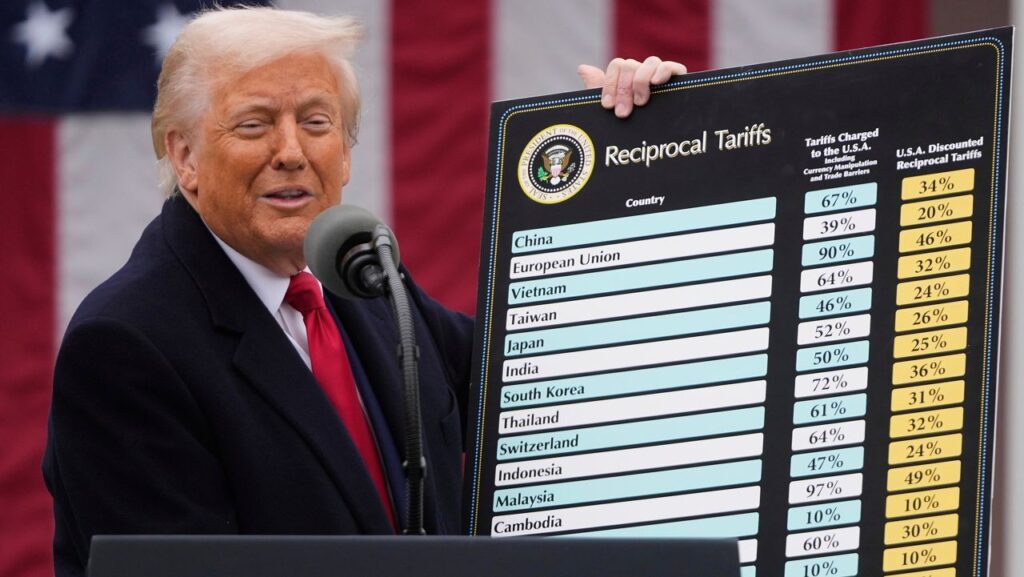
The Court invalidated the IEEPA-based tariff program in a 6–3 decision.
Its core point was straightforward: tariffs are taxes, and a move of this scale needs clear approval from Congress, not a broad reading of emergency authority.
IEEPA is commonly associated with emergency economic measures such as sanctions and controls on transactions and assets.
The administration argued that IEEPA’s authority to regulate certain cross-border economic activity could cover import restrictions, including tariffs, during a declared emergency.
Challengers argued that tariffs are taxation, and IEEPA does not clearly authorize tariffs as a tool, especially at broad scope.
The Court held that IEEPA does not authorize the President to impose tariffs.
The Court relied in part on the “major questions” concept: when executive action has major economic impact, courts look for clear congressional authorization.
The dissent argued the tariff program could fit the statute’s text and historical use, and raised practical concerns about disruption and refunds.
Tariffs imposed under IEEPA, including broad “reciprocal” tariffs tied to declared emergencies, are directly impacted by the ruling.
The decision does not end all U.S. tariffs. Some major tariff programs rest on other statutes, and those are not decided by this case.
Reporting has highlighted other authorities that could be used for tariffs, such as national security and unfair trade statutes (often discussed as Section 232 and Section 301 pathways). These come with different constraints and steps than IEEPA.
Large sums were collected under the IEEPA-based duties, and refund outcomes are uncertain.
Two widely cited reference points:
AP: about $133 billion collected, with refund timing and mechanics still unclear.
Reuters (Penn-Wharton analysis): more than $175 billion at risk of refund depending on how remedies are handled.
Reuters also reported earlier figures showing more than $133.5 billion at risk of court-ordered refunds as of early January 2026, which helps explain why totals differ by date and scope.
What remains unknown:
whether refunds are automatic or claim-based
who qualifies (often tied to importer-of-record and entry status)
the timeline, which may depend on agency guidance and follow-on litigation
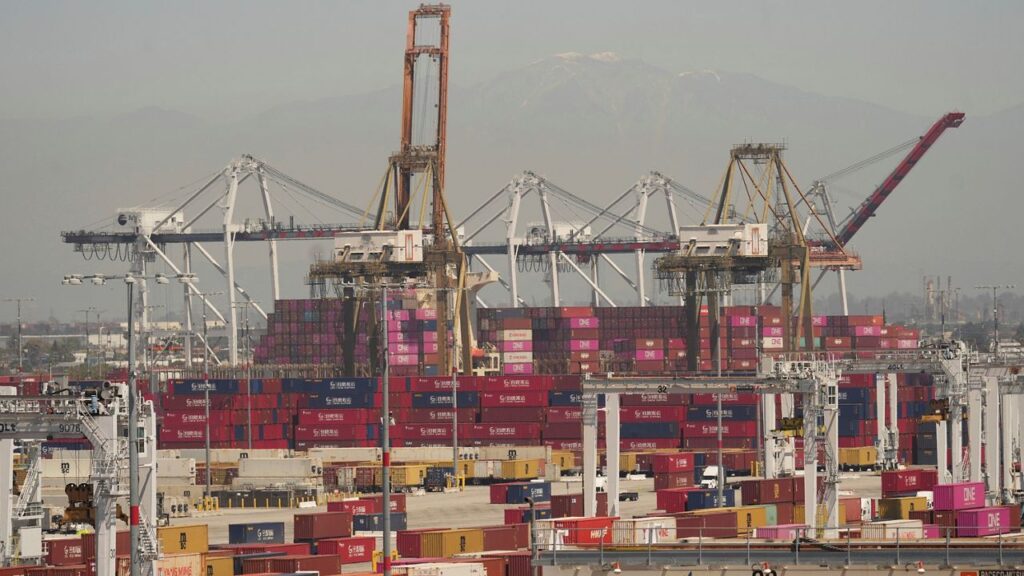
The ruling removes a key legal pillar for broad IEEPA-based tariffs, but it does not remove trade-policy risk. Markets initially treated the decision as a relief event, while still pricing meaningful uncertainty around replacement authority and refunds.
Risk appetite and equity pricing: Reuters reported a broad lift in stocks after the decision, alongside a modest rise in Treasury yields and a softer dollar.
Policy path uncertainty: The same reporting flagged that alternative tariff routes could follow, which keeps headline risk alive even after the IEEPA channel was shut.
For public equities, the near-term earnings question is not “tariffs are gone,” it is how quickly costs and pricing assumptions reset.

Key items that can move sentiment in the coming weeks:
Administrative response: whether the tariff structure is rebuilt using other statutes and what the scope looks like.
Refund mechanics: whether repayment is automatic, claim-based, or delayed by additional litigation, plus how eligibility is defined.
Market narrative shifts: if investors move from “relief” to “replacement risk,” expect renewed swings in tariff-sensitive sectors.