
Federal Reserve independence: how central bank credibility affects inflation, rates, and markets
Feb 13, 2026
Blog,Market Insights
Feb 13, 2026
Central bank independence is not an abstract governance topic. It is a market variable, because it influences how investors price inflation expectations, interest rates, and risk premiums across asset classes.
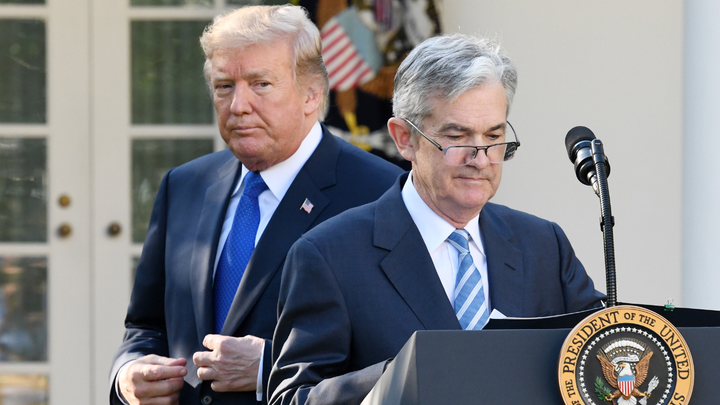
This becomes especially relevant when political leaders publicly challenge a central bank’s decisions, question its leadership, or test the boundaries of appointment and removal rules. Recent U.S. reporting has highlighted these tensions around the Federal Reserve, and why markets pay attention to the institution’s independence and legal protections.
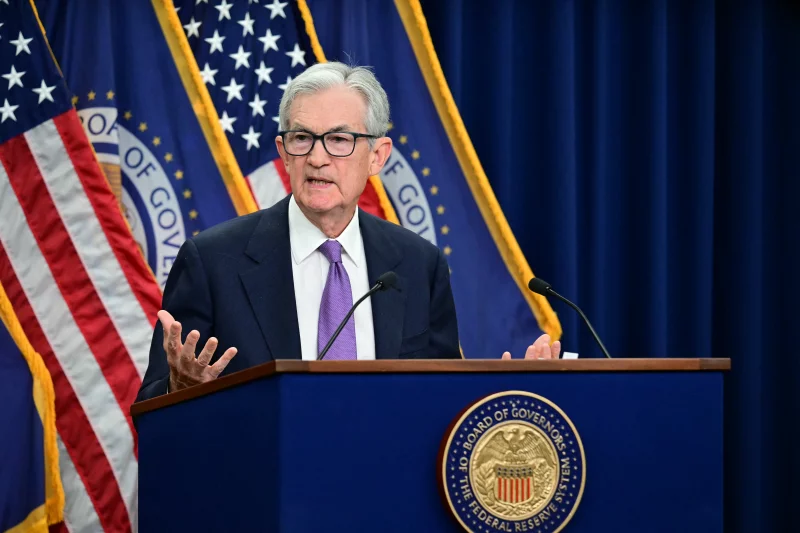
Independence does not mean a central bank operates outside democratic oversight. It means elected officials set the mandate, while the central bank is allowed to make day to day policy decisions (like setting interest rates) without direct political instruction.
Two practical ideas matter for markets:
Policy freedom: the ability to set rates and use tools to pursue the mandate, even when decisions are unpopular.
Credibility: the belief that policy will prioritize price stability over short-term political goals, which helps keep inflation expectations anchored.
Empirical work also links stronger independence with better inflation outcomes over time, which is one reason investors treat independence as a credibility anchor.
BLS highlighted gains in health care, social assistance, and construction, while federal government and financial activities lost jobs.
The Federal Reserve was designed with governance features that reduce election-cycle influence while keeping accountability through Congress.
The Board of Governors has seven members nominated by the President and confirmed by the Senate.
A full governor term is 14 years, with terms staggered so that one term begins every two years.
The Fed Chair is appointed from among sitting governors and serves a four-year term as Chair, separate from the governor term.
U.S. law states that governors serve their terms “unless sooner removed for cause by the President.” This “for cause” standard is a key part of the independence debate, because disputes about its meaning can create legal uncertainty that markets may price.
When investors think a central bank may face stronger political influence, the market impact often comes through expectations and risk premiums, not just the next policy meeting.
If credibility weakens, investors may demand more compensation for inflation risk. That can show up in breakevens, inflation swaps, and survey measures before inflation data changes.
Even if near-term policy is expected to ease, longer-term yields can move higher if the market adds uncertainty around future inflation control. This is one channel behind a rising term premium.
Currencies often respond to relative credibility and rate expectations. A weaker currency can also feed into inflation through import prices, which is why FX is part of the independence story.
Higher long-term yields affect equity valuation via discount rates, while credit spreads can widen when investors see greater odds of policy error or inflation persistence.
Below is a practical set of signals that connect governance risk to market pricing.
| Indicator group | What to monitor | Why it matters for markets |
|---|---|---|
| Governance and appointments | nominations, confirmation process, public statements about central bank leadership | shapes expectations about future voting dynamics and policy reaction |
| Legal and institutional stress | court challenges tied to “for cause” removal, statutory interpretations | legal uncertainty can raise risk premiums and volatility |
| Central bank communication | speeches, minutes, testimony, consistency of messaging | credibility depends on predictability and mandate focus |
| Inflation expectations | market-based breakevens, inflation swaps, surveys | expectations often move ahead of realized inflation |
| Rates structure | curve steepening, real yields, term premium proxies | captures how investors price long-run inflation and uncertainty |
| Global spillover signals | commentary from other central banks, cross-border risk tone | major central banks affect global funding and inflation dynamics |
For long-term allocators, the main issue is not predicting political headlines. It is assessing whether institutional constraints and policy credibility remain strong enough to keep inflation expectations anchored.
A few practical implications for portfolio discussions (general information, not investment advice):
Watch whether market inflation expectations remain stable when governance news breaks.
Separate short-end rate expectations from long-end term premium moves, they can diverge.
Treat legal uncertainty about leadership and removal rules as a potential volatility input, even if it does not change the next decision.
Statute says governors serve 14-year terms unless removed “for cause.” The meaning of “for cause” is central to legal debate and market attention.
The Chair serves a four-year term as Chair, and can be reappointed, while also holding a separate governor term.
Because independence supports credibility on inflation control. If credibility is questioned, investors may demand a higher premium for long-term inflation and policy uncertainty.
No. For major central banks, credibility concerns can spill across borders through FX, funding markets, and global risk sentiment. Some policymakers have warned that reduced independence at a major central bank could have global inflation consequences.